Where are coil reactors mainly used
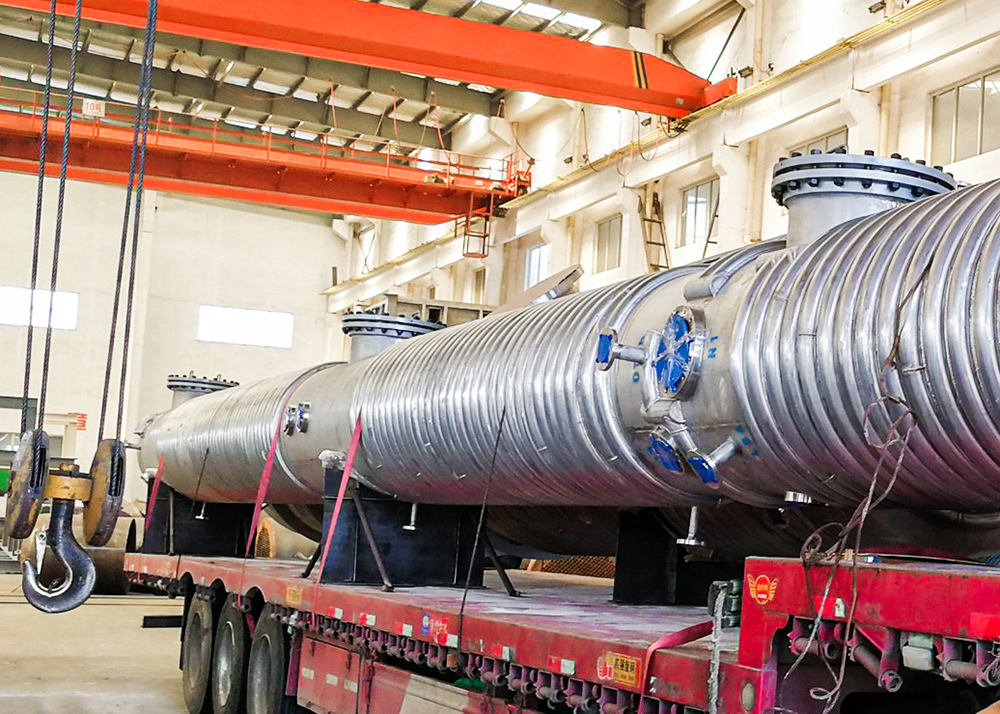
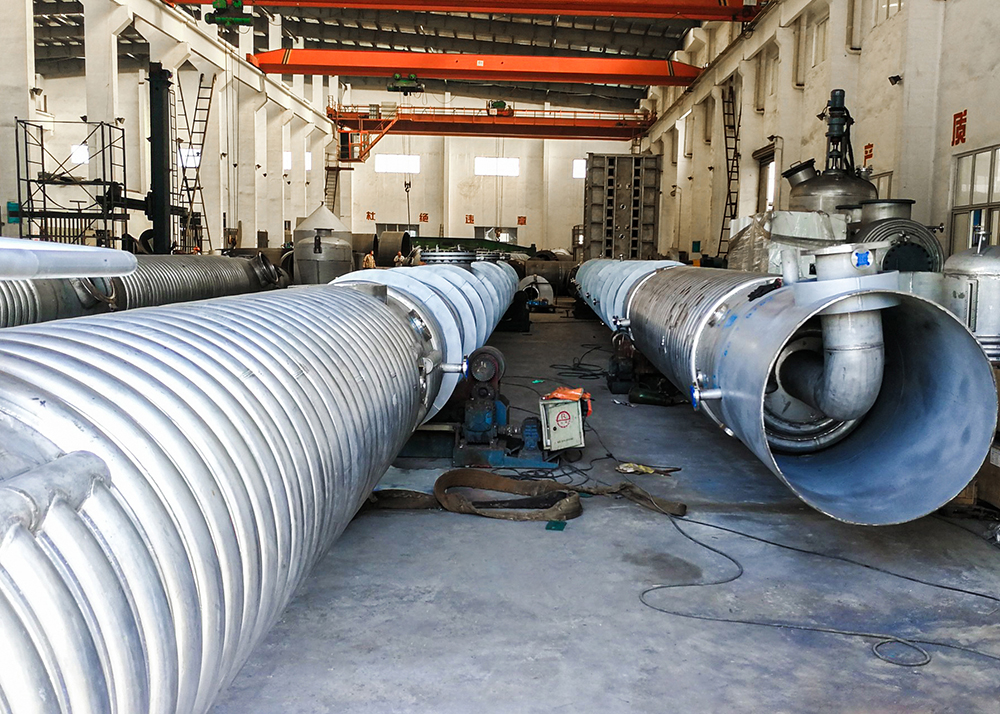
Information summary:The coil type reactor is mainly used in chemical, pharmaceutical, food and other fields that require correct control of reaction temperature due to its core advantage of efficient heat exchange with built-in coils, especially suitable for exothermic or endothermic reaction processes.
The coil type reactor is mainly used in chemical, pharmaceutical, food and other fields that require correct control of reaction temperature due to its core advantage of efficient heat exchange with built-in coils, especially suitable for exothermic or endothermic reaction processes.
1. Chemical industry field
This is the main application scenario of coil type reactors, which solves the temperature control problem in chemical reactions:
Synthesis reaction: Used for the production of coating resins (such as alkyd resins), synthetic rubber monomers, dye intermediates, etc. These reactions are mostly exothermic reactions, and the built-in coil can quickly remove heat to prevent the increase of by-products caused by local high temperatures.
Aggregation reaction: The polymerization process of polymer materials such as polyethylene and polypropylene requires strict control of the heating rate and reaction temperature. The coil can be controlled correctly by introducing hot water, steam, or coolant to ensure uniform molecular weight of the polymer.
Catalytic reactions: Some catalytic reactions (such as hydrogenation and dehydrogenation) are temperature sensitive, and the coil can adjust the temperature of the reaction system in real time to maintain catalyst activity and improve reaction conversion rate.
2. Pharmaceutical and biochemical fields
The pharmaceutical production requires high reaction conditions, and the correct temperature control and cleaning characteristics of the coil reactor are suitable for this scenario:
Drug synthesis: Used for intermediate synthesis of antibiotics (such as penicillin) and vitamins (such as vitamin C), the reaction process needs to avoid temperature fluctuations that affect product purity. The coil can achieve temperature control within ± 1 ℃, meeting pharmaceutical grade purity requirements.
Biological fermentation: Some microbial fermentation reactions (such as enzyme production) require maintaining a constant temperature (usually 30-37 ℃), and the coil can be filled with constant temperature water to avoid external temperature changes interfering with the fermentation process, ensuring bacterial activity and product yield.
Traditional Chinese Medicine Extraction: Used for the extraction of active ingredients in traditional Chinese medicine, such as alkaloids and flavonoids, by heating the solvent with steam through a coil or cooling and crystallizing with cold water to achieve continuous extraction and purification.
3. Food and daily chemical industry
This field has high requirements for equipment cleanliness and temperature uniformity, and the coil type reactor can meet the sanitary production needs:
Food processing: used for boiling jam and jelly (requiring heating concentration and temperature control to prevent burning), as well as sterilizing dairy products. The coil material is mostly stainless steel 316L, which meets food contact standards.
Daily chemical production: used for the preparation of detergents (such as laundry detergent, dishwashing detergent) and cosmetic raw materials (such as emulsion cream). This type of reaction requires heating to dissolve the raw materials and stirring and mixing. The coil can quickly raise the temperature to the set temperature and shorten the production cycle when cooling down.
4. Environmental protection and wastewater treatment field
In scenarios where pollutants need to be treated through chemical reactions, coil reactors can achieve stable control of reaction conditions:
Wastewater degradation: Used for the oxidation treatment of high concentration organic wastewater (such as printing and dyeing wastewater, chemical wastewater) (such as Fenton reaction), which is an exothermic reaction. The coil can remove heat to maintain the reaction temperature at 25-40 ℃, improving the efficiency of pollutant degradation.
Flue gas desulfurization and denitrification: In some wet flue gas desulfurization and denitrification processes, the reaction between the absorbent and flue gas pollutants needs to be carried out in the reaction kettle. The coil can adjust the temperature of the reaction system, enhance the activity of the absorbent, and improve the efficiency of desulfurization and denitrification.








 Service Hotline

 Hotline:0512-52093708
 E-mail:yutezjl@163.com
 Address:No. 101, Taojia Bridge, Dahe Village, Shanghu Town, Changshu City, Suzhou City, Jiangsu Province


 Add wechat
 Contact us
 Telephone